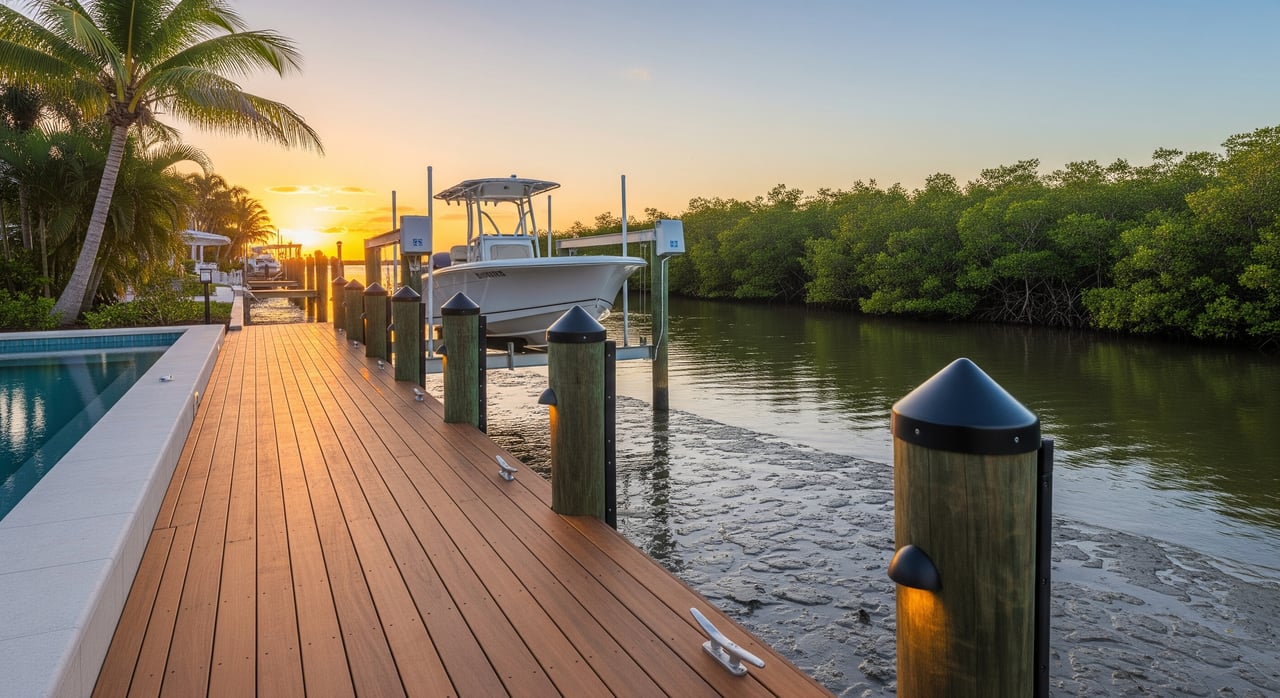
Thinking about selling your Tampa waterfront home but not sure where to start? In today’s market, buyers look closely at flood risk, seawalls, docks, and insurance costs before they fall in love with the view. That can feel overwhelming, especially if you want a smooth sale and a strong price. This guide gives you a clear, step-by-step checklist tailored to Tampa so you can reduce surprises, build buyer confidence, and protect your bottom line. Let’s dive in.
Tampa market snapshot
Home prices and days on market in Tampa shifted through 2024 and 2025 as inventory increased and buyers gained leverage. You can still capture a premium for the water, but buyers expect clear documentation and fewer repair risks. Get a read on the backdrop using the latest data from sources like the Tampa housing market snapshot and regional trend summaries. Then anchor pricing with recent waterfront comps near you.
Waterfront seller checklist
Use these steps to prepare for top dollar and fewer contingencies.
Verify flood zone and elevation
- Look up your FEMA flood zone and review parcel details using the county’s viewer. Start with the Hillsborough County Flood Maps.
- If you have an elevation certificate, add it to your listing documents. If not, consider ordering one to help buyers and insurers price risk.
- Clarify that evacuation zones differ from flood zones. City resources can help you explain the difference and local rules. See City of Tampa flood information.
Prepare the flood disclosure
- Gather your flood history, prior flood-related insurance claims, and any FEMA assistance records.
- Florida expanded flood disclosures with SB 948, effective Oct. 1, 2025. Review a plain-English summary to understand what you must share and how. See the SB 948 overview.
Get a seawall and shoreline report
- Hire a licensed marine or structural contractor, or a civil engineer, to inspect the seawall or bulkhead.
- Ask for remaining life, recent repairs, recommended work, and ballpark costs. Include photos and any warranties.
- If repairs are needed, get written estimates now so buyers can price the home with clarity.
Organize dock and boat lift permits
- Compile permits for the dock, boat lift, and any shoreline work. Include receipts and inspection records.
- If any part of your structure sits over state-owned submerged land, confirm whether a lease or authorization applies under Florida law. Learn the framework in Florida Statutes Chapter 253.
Assemble insurance and mitigation documents
- Provide your current homeowners and flood policy information, premium, and claim history if available.
- If you have wind mitigation, 4-point, or roof reports, include them. These can reduce perceived cost for buyers and lenders.
- For a local overview on coverage types and factors that drive premiums, see this Tampa insurance resource.
Confirm coastal property disclosures
- If your property lies seaward of the coastal construction control line or is otherwise regulated, Florida requires a written coastal disclosure, and in some cases a survey or affidavit.
- Review seller duties in Chapter 161.
Check mangrove and shoreline compliance
- Mangrove trimming and alterations are regulated in Florida and can involve permits and penalties if done improperly.
- If trimming or removal occurred, gather approvals and records. For background on rules and penalties, see Florida mangrove statute 403.9332.
Order pre-listing inspections
- Schedule a general home inspection plus any specialty checks common to waterfront: roof, HVAC, electrical panel, WDO/termite, dock, and seawall.
- Fix high-impact maintenance items that hurt photos and showings, such as roof issues, rotten fascia, broken dock boards, algae, or overgrowth.
Review HOA and use rules
- Pull HOA documents, CC&Rs, and any addenda that cover docks, boat size limits, short-term rentals, or exterior work.
- If you had approvals for prior work, include them in your disclosures packet.
Elevate staging and visuals for the water
- Stage the waterside like a destination: clear clutter, set furniture, and highlight access and views.
- Invest in professional media. Drone, 4K video, and twilight photos help buyers see usable water depth, dock layout, and lifestyle.
Price with comps and documentation
- Use recent waterfront comps that match your water type, depth, and access.
- Pair your list price with credible paperwork: seawall report, permits, flood documents, and repair estimates. Buyers pay premiums for certainty.
Build a clean disclosures packet
- Bundle seller disclosures, flood disclosures, inspection summaries, seawall and dock reports, permits, HOA docs, and key receipts.
- Share the packet early to improve offer quality and reduce post-inspection renegotiation.
Permits and timelines
- Who you may involve:
- Hillsborough County Floodplain Administration for parcel flood data and rules. Start with the county flood maps.
- City of Tampa Construction Services for local permitting and flood guidance. See flood information.
- Florida Department of Environmental Protection and State Lands for submerged lands and coastal matters under Chapter 253 and Chapter 161.
- Typical ranges:
- Seawall repair or replacement: expect 1 to 4 weeks to get engineering and quotes, and weeks to months for work depending on scope and permits.
- Dock and boat lift permits: simple repairs can be quick if already permitted; new structures or expansions can take months.
- Flood and insurance records: fast if you have them on hand; allow days to weeks if you need to request copies.
- If you suspect past unpermitted work, identify it early and speak with a qualified professional. Complex coastal questions may warrant a Florida real estate attorney or permitting specialist.
What buyers will ask
- Has the property ever flooded? Dates, extent, photos, repairs, and any claim details help build trust. Florida’s expanded rules make accurate flood history essential.
- What is the flood zone and how much is flood insurance? Provide the FEMA zone, elevation certificate, and recent premium info if available.
- Is the seawall or dock permitted and when was it last repaired? Share permits, maintenance records, and any engineer reports.
- Are there riparian or submerged lands leases? Provide copies of relevant documents if your improvements extend over state-owned bottoms.
- Are there HOA or rental restrictions? Offer CC&Rs and any approvals or correspondence that affect use.
Your marketing advantage
When you sell a waterfront home, how you present the lifestyle matters. Professional 4K media, drone footage, and on-water context help buyers understand depth, access, and daily use before they step inside. Targeted staging on the dock and lanai can make your water frontage feel like an extra living room.
If you want hands-on help packaging disclosures and showcasing your shoreline, our boutique team pairs local waterfront know-how with elevated visuals and boat-capable showings. That blend helps buyers feel confident and ready to offer strong terms.
Ready to position your Tampa waterfront home for top dollar with fewer surprises? Let’s talk about your timeline, paperwork, and pricing strategy. Connect with JT Realty & Associates for a custom, waterfront-focused listing plan.
FAQs
What should Tampa waterfront sellers disclose about flooding?
- Share any known flooding during your ownership, related insurance claims, and FEMA assistance where applicable. Florida expanded flood disclosures under SB 948, effective Oct. 1, 2025.
How do Tampa flood zones differ from evacuation zones?
- Flood zones guide insurance and building rules, while evacuation zones guide storm evacuations; use county and city resources to explain both to buyers.
Do I need permits or leases for my dock and lift?
- Many docks and lifts require local permits, and some structures over state-owned submerged land involve authorizations or leases under Florida law.
Will a seawall report really help my sale price?
- Yes. A recent engineer or marine contractor report with photos and estimates reduces uncertainty, which helps buyers justify stronger offers.
Which documents lower buyer insurance concerns?
- Elevation certificates, flood policy details, wind mitigation or 4-point reports, and recent roof documentation help buyers and lenders evaluate cost and risk.